
Packaging Surface Finishes Explained: Foil Stamping, Embossing, UV, Lamination
The tactile and visual appeal of your packaging often depends more on the surface finish than on the print itself. Finishes turn a standard printed box into a memorable brand touchpoint. In this guide, we explain the most popular decorative techniques – foil stamping, embossing, spot UV, and lamination – so you can choose the right combination for your product.
1. Foil Stamping (Hot Foil Stamping)
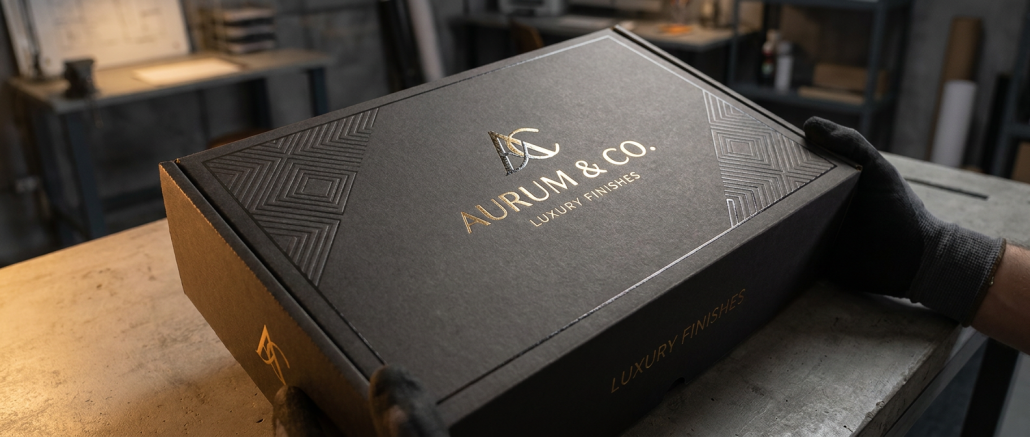
A metal die is heated and pressed onto a metallic or pigmented foil, transferring the foil onto the paper. Available in gold, silver, rose gold, holographic, and many custom colors.
Effect: Metallic shine, high contrast, premium look.
Best used for: Logos, brand names, product names on luxury boxes.
Cost factor: Moderate to high (die cost + setup). Ideal for medium to large runs.
Tip: Combine foil stamping with embossing for a raised metallic logo.
2. Embossing & Debossing
Embossing raises the paper surface to create a 3D relief. Debossing presses the paper inward to create an indented impression. Can be combined with ink, foil, or left unprinted (blind emboss/deboss).
Effect: Tactile, sophisticated, subtle or dramatic depending on depth.
Best used for: Logo enhancements, patterns, borders, or text that you want customers to feel.
Cost factor: Die cost similar to foil stamping. No ongoing material cost per box.
Tip: Use a sculpted die for detailed images (e.g., botanical patterns, crests).
3. Spot UV (Spot Gloss UV)
A high‑gloss, UV‑cured coating applied only to specific areas of the printed sheet, leaving the rest with a matte or uncoated finish.
Effect: Glossy/shiny contrast against a matte background. Very modern and graphic.
Best used for: Highlighting product photos, icons, or brand names. Popular in cosmetic and electronics packaging.
Cost factor: Low to moderate (requires a printing plate for the UV pattern).
Tip: Use spot UV over dark or black backgrounds for a dramatic “liquid” effect.
4. Lamination (Matte / Gloss / Soft‑Touch)
A thin plastic film is bonded to the printed paper. Lamination protects the surface from scuffs, moisture, and fingerprints.
| Type | Finish | Feel | Best for |
|---|---|---|---|
| Matte lamination | Non‑reflective, elegant | Smooth, slightly warm | Luxury brands, natural look |
| Gloss lamination | High‑shine, vibrant | Slick, cool | High‑impact retail, bright colors |
| Soft‑touch lamination | Velvety, ultra‑matte | Silky, rubber‑like | Premium cosmetics, high‑end electronics |
Cost factor: Low to moderate (adds material cost but no die). Mass production friendly.
Tip: Do not laminate if you plan to emboss or deboss – the film will reduce the relief effect.
Which finishes work well together?
-
Foil + Embossing: Classic luxury (e.g., wedding invitations, perfume boxes)
-
Spot UV + Matte Lamination: Modern high‑tech look (e.g., smartphone boxes, gaming products)
-
Soft‑touch + Blind Debossing: Minimalist, “quiet luxury” (e.g., skincare sets, candles)
What about eco‑friendly finishes?
If sustainability is a priority, ask SOKPACK about:
-
Water‑based and UV‑LED coatings (reduced VOCs)
-
Recyclable alternatives to plastic lamination (e.g., aqueous coatings)
-
FSC‑certified papers that accept foil and embossing
Let SOKPACK help you decide
With over a decade of custom packaging experience, we help brands select the perfect finish combination based on their budget, product type, and sustainability goals. Request a sample finish kit to feel the difference.
 Premium custom rigid packaging solutions for brands worldwide.

Leave a Reply
Want to join the discussion?Feel free to contribute!